
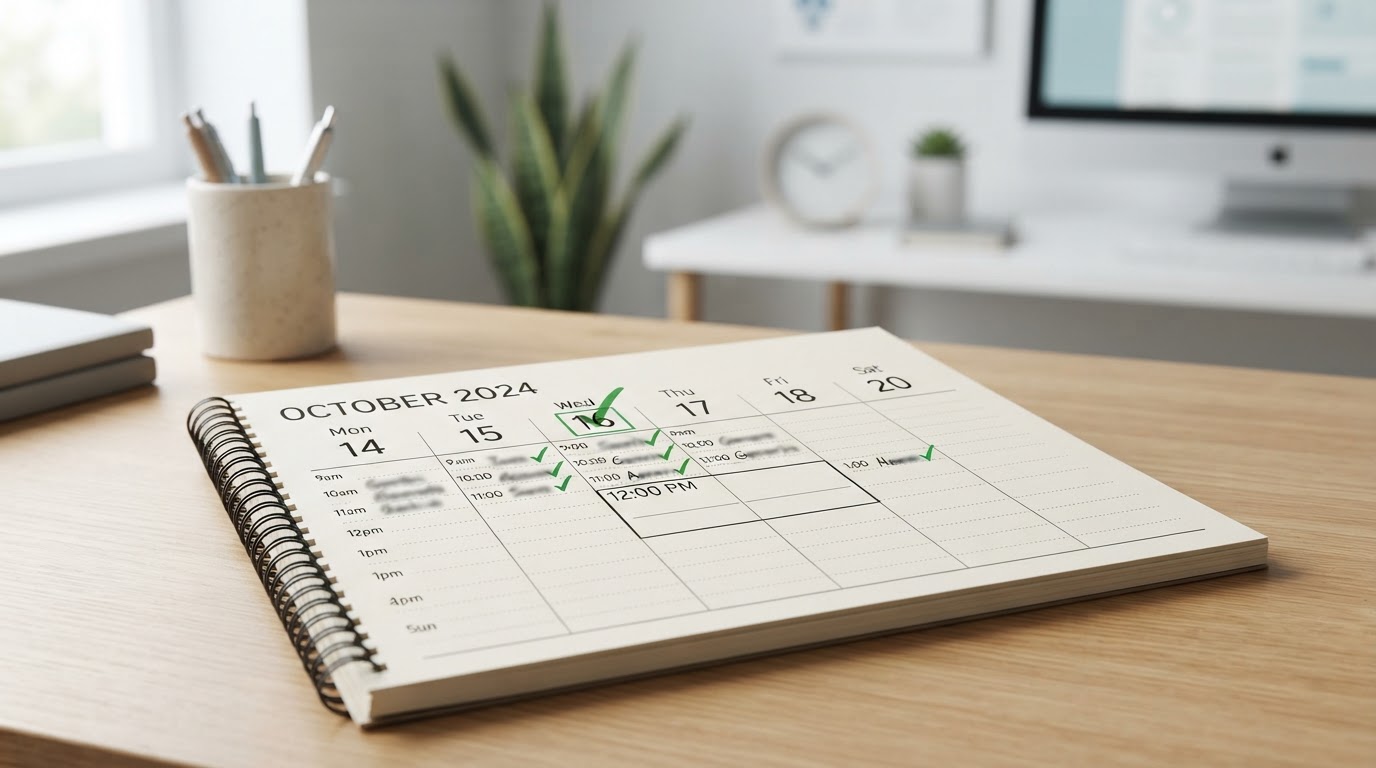
Patient No-Show Reduction: Strategies to Protect Practice Revenue
Patient no-shows are a significant and often overlooked source of lost revenue for medical practices. When a patient fails to show up for an appointment, the practice loses the revenue from that visit and the opportunity to serve another patient who could have used that slot. Industry estimates suggest no-shows cost practices thousands of dollars per provider per year. Reducing no-shows is one of the highest-ROI operational improvements a practice can make. Our medical marketing services include patient engagement strategies.
No-show rates vary by specialty, but many practices experience 10-20% no-show rates. For a practice with 100 appointments per week and a 15% no-show rate, that is 15 lost appointments weekly—significant revenue and wasted capacity. The American Medical Association (ama-assn.org) provides resources on practice efficiency. Reducing no-shows requires a combination of communication, convenience, and policy.
Key patient no-show reduction strategies include:
1. Appointment Reminders: Send automated appointment reminders via text, email, and phone. Reminders are the single most effective no-show reduction strategy. Send reminders 24-48 hours and 2 hours before appointments. Multiple reminder channels reach more patients. Our email marketing service automates reminders. See our patient retention guide.
2. Online Scheduling and Self-Service: Patients who book online tend to show up more reliably—they are actively engaged in scheduling. Offer online scheduling and easy rescheduling. Convenience reduces no-shows. See our medical website conversion guide.
3. Easy Rescheduling and Cancellation: Make it easy for patients to reschedule or cancel. A patient who cannot easily cancel may simply not show up. Easy cancellation lets you fill the slot. Friction in cancellation increases no-shows. See our interactive medical forms guide.
4. Confirmation Systems: Require appointment confirmation—patients confirm via text or online. Confirmed appointments have lower no-show rates. Confirmation creates commitment. Our email marketing service builds confirmation systems.
5. Waitlist Management: Maintain a waitlist of patients who want earlier appointments. When a cancellation occurs, fill the slot from the waitlist. Waitlists recover revenue from cancellations. See our medical practice analytics guide.
6. Patient Education: Educate patients on the impact of no-shows—on the practice and on other patients who could have used the slot. Patients who understand the impact are more considerate. Education builds a culture of respect for appointments. See our patient education materials guide.
7. Optimize Scheduling: Schedule strategically—group similar appointments, avoid long gaps, and match appointment length to need. Efficient scheduling reduces the impact of no-shows. Some practices double-book high-no-show-risk slots. See our medical practice growth guide.
8. Identify High-No-Show Patients: Track which patients frequently no-show. For high-risk patients, use additional reminders, prepayment, or different scheduling approaches. Data identifies patterns. See our medical practice analytics guide.
9. Prepayment or Deposits: For high-value procedures or high-no-show-risk patients, consider prepayment or deposits. Financial commitment reduces no-shows. Apply this selectively and fairly. See our medical practice growth guide.
10. Clear No-Show Policy: Communicate a clear no-show policy—how many no-shows are tolerated, what happens after. A clear policy sets expectations. Apply policies consistently and fairly. See our patient retention guide.
11. Follow-Up After No-Shows: Follow up with patients who no-show—understand why, reschedule, and reinforce the importance of appointments. Follow-up recovers some no-show patients and reduces future no-shows. See our email marketing guide.
12. Track and Optimize: Track no-show rates by provider, day, time, and patient type. Identify patterns and optimize scheduling and reminders accordingly. Data-driven no-show reduction outperforms guesswork. See our medical practice analytics guide.
Reducing patient no-shows is one of the highest-ROI operational improvements a practice can make. Every prevented no-show recovers revenue and capacity. Practices that combine reminders, convenience, and policy consistently reduce no-shows and protect revenue. Explore our medical marketing services, browse our portfolio, or request a free consultation to reduce your no-show rate.
Frequently Asked Questions
Explore our services
Learn how we help medical practices grow with Medical Marketing for Practices.