
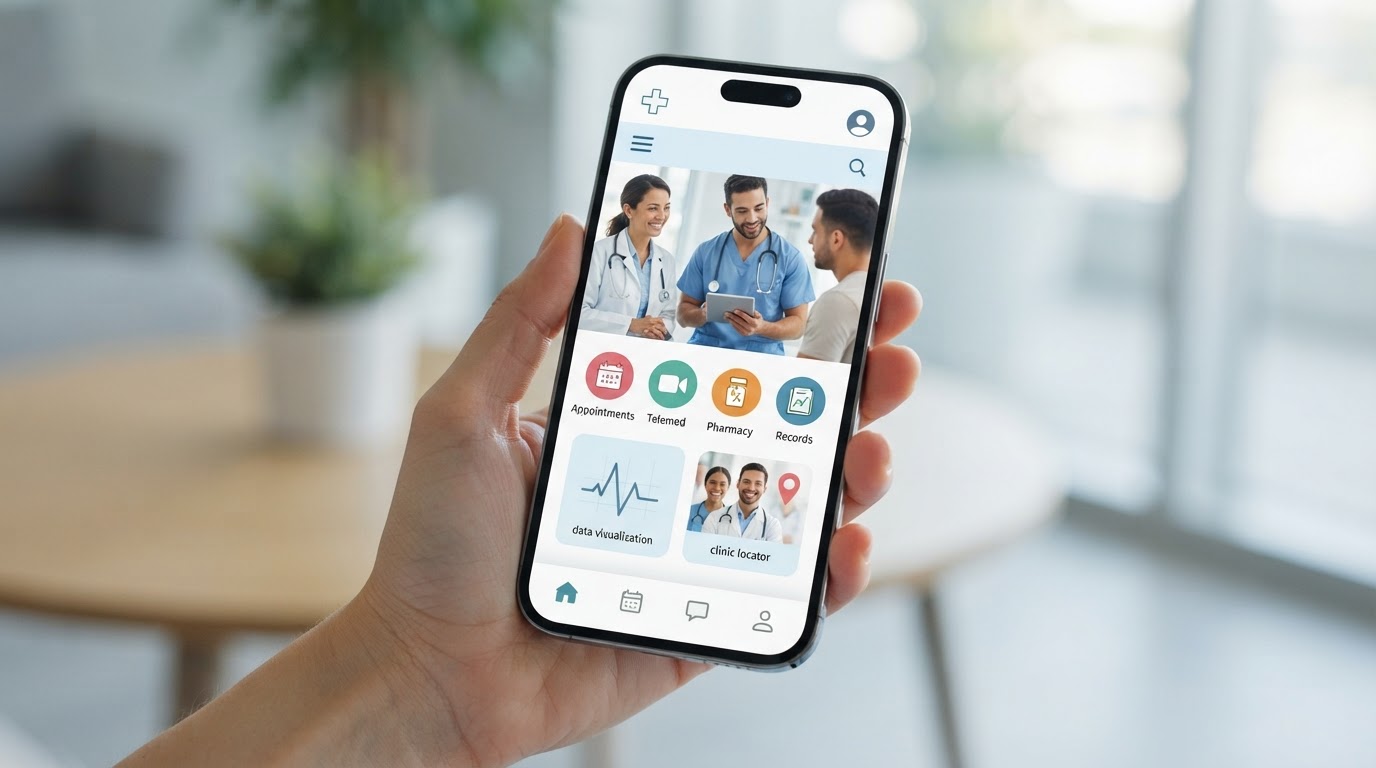
Medical Website Mobile Optimization: Serving Patients on the Go
Mobile is no longer an afterthought—it is the primary way patients find and interact with medical practices. Over 60% of healthcare searches happen on mobile devices, and Google uses mobile-first indexing, meaning it evaluates your mobile site primarily. A medical website that is not fully mobile-optimized loses both rankings and patients. Mobile optimization is essential for modern healthcare marketing. Our medical website design services build mobile-optimized sites.
Mobile patients have different needs than desktop users. They are often on the go, seeking quick information—your location, hours, phone number, or how to book. They have less patience for slow loads, tiny text, or complex navigation. Mobile optimization means designing for these needs. Google's mobile-friendly test (search.google.com/test/mobile-friendly) evaluates mobile usability.
Key medical website mobile optimization strategies include:
1. Responsive Design: Use responsive design that adapts to any screen size. A single responsive site serves all devices, avoiding the maintenance of separate mobile sites. Responsive design is the standard for mobile optimization. See our medical website design services.
2. Fast Load Speed: Mobile connections are slower than desktop. Optimize images, minimize code, and use caching to ensure fast mobile loads. Over 50% of mobile users abandon sites that take more than 3 seconds. Speed is critical on mobile. See our medical website speed guide.
3. Tap-Friendly Elements: Buttons, links, and form fields must be large enough to tap easily—at least 44x44 pixels. Small, closely spaced elements frustrate mobile users. Tap-friendly design improves mobile usability. See our medical website conversion guide.
4. Readable Text: Text must be readable on small screens without zooming. Use at least 16px body text, sufficient contrast, and legible fonts. Tiny text frustrates mobile users. Readable text improves mobile engagement. See our healthcare branding consistency guide.
5. No Horizontal Scrolling: Mobile sites must not require horizontal scrolling. Content should fit the screen width. Horizontal scrolling is a major mobile usability failure. Responsive design prevents it. See our medical website design services.
6. Prominent Click-to-Call: Phone calls are the primary conversion for most medical practices. Make your phone number prominent and clickable on every mobile page. One tap to call. Click-to-call captures mobile patients in the moment. See our medical website conversion guide.
7. Easy Appointment Scheduling: Offer mobile-friendly online scheduling. Many mobile patients prefer to book online rather than call. Mobile scheduling captures patients who book on their phones. See our interactive medical forms guide.
8. Simplified Navigation: Mobile navigation must be simple and intuitive. Use a clear menu, avoid complex dropdowns, and prioritize key pages. Simplified navigation helps mobile users find what they need quickly. See our medical website conversion guide.
9. Location and Directions: Mobile patients often need your location and directions. Display your address prominently with a clickable map and directions link. Make it easy for mobile patients to find you. See our local SEO guide.
10. Mobile-Friendly Forms: Appointment and contact forms must be mobile-friendly—large fields, appropriate input types (numeric keypad for phone, date picker for dates), and minimal required fields. Mobile-unfriendly forms lose patients. See our interactive medical forms guide.
11. Test on Real Devices: Test your site on real mobile devices—various phones and tablets. Emulators do not reveal the real mobile experience. Real device testing catches issues emulators miss. See our medical website design services.
12. Track Mobile Metrics: Monitor mobile-specific metrics—mobile traffic, mobile conversion rate, mobile bounce rate, and mobile speed. Mobile metrics reveal how well you serve mobile patients. Optimize based on data. See our medical practice analytics guide.
Medical website mobile optimization is essential—over 60% of your patients are mobile, and Google evaluates your mobile site primarily. A mobile-optimized site engages mobile patients, converts more, and ranks higher. Practices that prioritize mobile outperform those that do not. Explore our medical website design services, browse our portfolio, or request a free consultation to optimize your site for mobile.
Frequently Asked Questions
Explore our services
Learn how we help medical practices grow with Medical Website Design.