Veterinary Practice Marketing: Attract Pet Owners
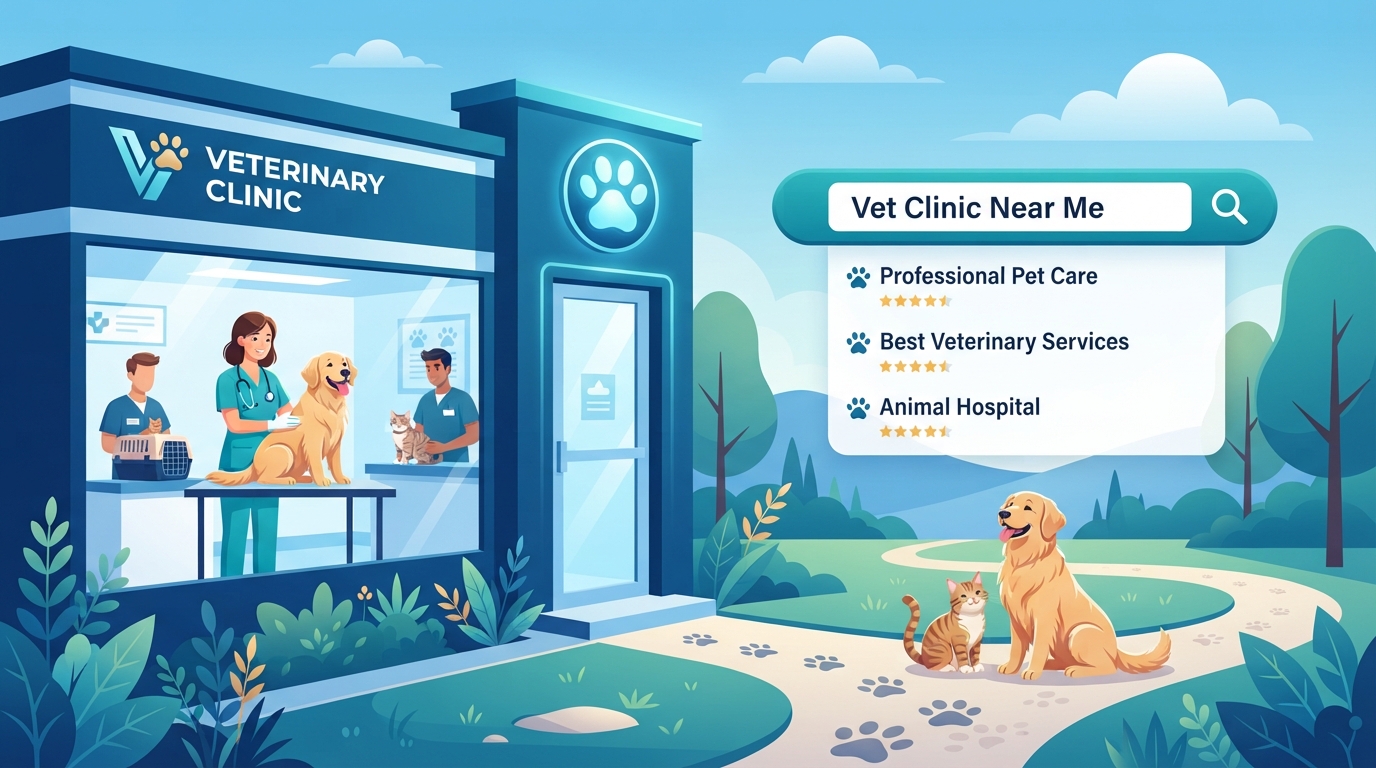
Veterinary practices serve a unique patient population—pet owners who are deeply devoted to their animals' health and willing to research and choose quality care. When a pet owner searches 'vet near me' or 'emergency vet [city],' the practices that appear at the top of local search capture these clients. Veterinary marketing is the strategy that connects pet owners with your practice. The American Veterinary Medical Association (avma.org) provides practice resources that can inform marketing strategy.
Veterinary practices face competition from other local clinics, corporate veterinary groups, and online pet care services. Standing out requires a combination of local SEO, reputation management, community engagement, and professional branding. Pet owners choose vets based on proximity, reviews, and trust. Our medical marketing services support veterinary practice growth.
Key components of an effective veterinary marketing strategy include:
1. Local SEO: Pet owners search locally for veterinary care. Optimize your Google Business Profile, build local citations, collect reviews, and create location landing pages. Local SEO ensures you appear when pet owners search 'vet near me' or 'animal hospital [city].' See our local SEO guide. Local search is the foundation of veterinary client acquisition.
2. Google Business Profile Optimization: For veterinary practices, the Google Business Profile is critical. Optimize with the 'Veterinary Care' or 'Animal Hospital' category, complete all fields, add photos of your facility and team, post regularly, and respond to all reviews. Your profile drives local map pack rankings where most pet owners click. See our Google Business Profile guide.
3. Review Collection and Management: Pet owners read reviews extensively before choosing a vet. A strong review profile builds trust and influences both client decisions and local search rankings. Implement a systematic review collection process from satisfied pet owners. Our reputation management for medical practices service builds review systems.
4. Service-Specific Pages: Create pages for each service—wellness exams, vaccinations, dental care, surgery, emergency care, boarding, grooming. Each page targets service-specific keywords. Pet owners search for specific veterinary services. See our medical website design services.
5. Educational Content: Publish content answering pet owner questions: 'How often should my dog get vaccinations?' 'What are signs of dental disease in cats?' 'When is it an emergency?' This content captures pet owners researching and positions your practice as a trusted resource. See our content marketing guide. The American Veterinary Medical Association (avma.org) provides pet health content.
6. Social Media Marketing: Veterinary practices thrive on social media. Share pet photos (with owner consent), educational content, behind-the-scenes glimpses, and community involvement. Pet owners love engaging with veterinary content. Social media builds awareness and loyalty. Our social media marketing service supports veterinary practices.
7. Community Engagement: Sponsor pet events, participate in community festivals, partner with local animal shelters, and host educational events. Community presence builds brand awareness and trust. Pet owners who recognize your practice from community involvement are more likely to choose you. Our promotional materials service supports community marketing.
8. Professional Website: Your website should be welcoming, mobile-optimized, and conversion-focused. Include service pages, provider bios, facility photos, online appointment scheduling, and clear contact information. Pet owners judge practices by their website. See our medical website design services.
9. New Client Onboarding: Create a smooth onboarding process for new clients—welcome emails, digital intake forms, what-to-expect information. A great first visit experience builds loyalty and referrals. See our patient onboarding guide and interactive medical forms service.
10. Email Marketing: Nurture existing clients with email—vaccination reminders, wellness check recalls, seasonal pet health tips, and new service announcements. Existing clients are the easiest to retain and cross-sell. See our email marketing guide. Client retention drives veterinary practice revenue.
11. Emergency and Urgent Care Marketing: If you offer emergency or urgent care, market it prominently. Pet owners need emergency care quickly and choose the first available option. Ensure your hours and emergency capabilities are clear on your website and Google Business Profile. See our urgent care SEO guide.
12. Track and Optimize: Track local rankings, Google Business Profile insights, new client sources, and retention rates. Use call tracking to attribute clients to specific marketing efforts. Practices that measure and optimize veterinary marketing consistently outperform those that guess. Google Search Console provides query data.
Veterinary marketing connects devoted pet owners with quality care. Practices that combine local SEO, reputation management, community engagement, and professional branding build a reliable stream of loyal clients. Explore our medical marketing and SEO services, browse our portfolio, or request a free consultation to grow your veterinary practice.
Frequently Asked Questions
Explore our services
Learn how we help medical practices grow with SEO for Medical Practices.