Sports Medicine Marketing: Attract Athlete Patients
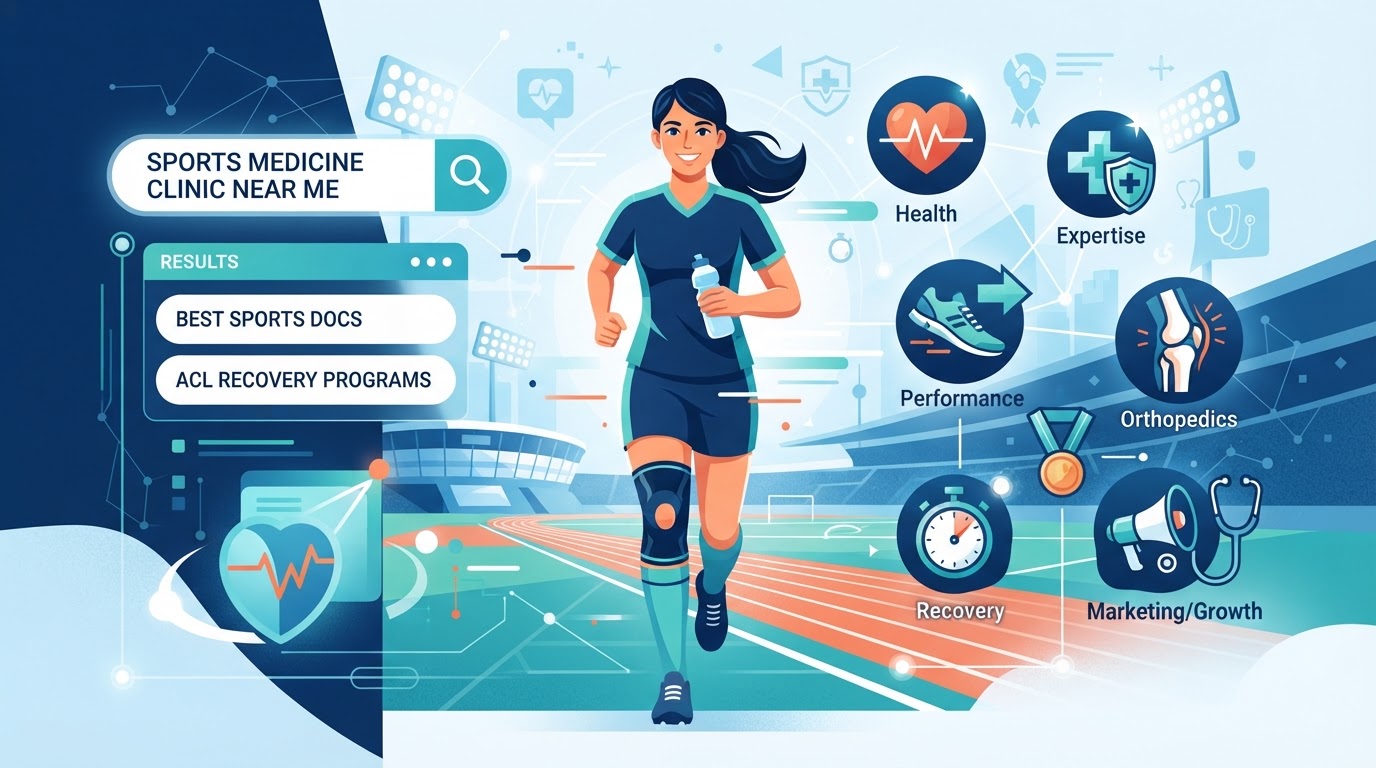
Sports medicine practices serve athletes of all levels—from weekend warriors to professional competitors—seeking treatment for injuries and performance optimization. These patients are motivated to recover quickly and return to their sport. When an athlete searches 'sports medicine doctor near me' or 'ACL tear treatment [city],' the practices that appear at the top of local search capture these patients. Sports medicine marketing is the strategy that connects injured athletes with your practice. The American Orthopaedic Society for Sports Medicine (sportsmed.org) provides resources that can inform content strategy.
Sports medicine patients are unique—they're motivated, research their injuries, and want to return to activity quickly. They often choose providers based on expertise with specific injuries, athlete-focused care, and outcomes. A comprehensive marketing strategy builds trust and captures athletes throughout their recovery research. Our medical marketing services support sports medicine growth, and our sports medicine specialty page showcases our work.
Key components of an effective sports medicine marketing strategy include:
1. Injury-Specific Landing Pages: Create pages for each injury you treat—ACL tears, meniscus tears, rotator cuff injuries, ankle sprains, stress fractures, concussions, tendonitis. Each page targets injury-specific keywords with unique content, treatment options, and return-to-play timelines. Athletes research their specific injuries. See our medical website design services.
2. Treatment-Specific Pages: Create pages for each treatment—physical therapy, arthroscopic surgery, regenerative medicine, PRP, concussion management, performance optimization. Each page targets treatment-specific keywords. Athletes research specific treatments. Our sports medicine specialty page showcases related work.
3. Return-to-Play Content: Athletes want to know when they can return to their sport. Create content about recovery timelines, return-to-play protocols, and rehabilitation milestones. This captures athletes in the decision stage and sets realistic expectations. The American Orthopaedic Society for Sports Medicine (sportsmed.org) provides recovery information.
4. Google Business Profile Optimization: Optimize your profile with the appropriate category, complete all fields, add photos, post regularly, and respond to all reviews. Your profile drives local map pack rankings. See our Google Business Profile guide. Local search captures athletes searching for nearby sports medicine care.
5. Educational Content: Publish content answering athlete questions: 'How long is ACL recovery?' 'When can I run after an ankle sprain?' 'What is PRP therapy?' This content captures athletes researching injuries and guides them toward scheduling. See our content marketing guide.
6. Review Collection and Management: Athletes and parents of student-athletes read reviews before choosing a sports medicine provider. A strong review profile builds trust and influences both patient decisions and local search rankings. Implement a systematic review collection process. Our reputation management for medical practices service builds review systems.
7. Athlete Testimonials: With proper consent, include testimonials from athletes who returned to their sport after treatment. Real athlete stories resonate powerfully with injured athletes seeking similar outcomes. Our reputation management service helps collect athlete stories. Testimonials provide powerful social proof for sports medicine.
8. Team and School Partnerships: Partner with local sports teams, schools, and athletic organizations to be their preferred sports medicine provider. These partnerships provide a consistent stream of athlete patients and build community presence. Our promotional materials service supports partnership marketing.
9. Seasonal Marketing: Sports medicine has seasonal patterns—football in fall, basketball in winter, baseball in spring, summer sports. Time your marketing to seasonal patterns and target specific sports during their seasons. Seasonal campaigns capture athletes when injuries are most common. Our Meta Ads service supports seasonal campaigns.
10. Provider Credentials: Highlight your providers' sports medicine fellowships, team physician experience, and athlete care expertise. Athletes choose providers who understand their sport and goals. The American Board of Medical Specialties (abms.org) maintains sports medicine certifications. Include provider photos and bios.
11. Social Media Marketing: Athletes are active on social media. Share injury prevention tips, return-to-play content, athlete stories (with consent), and behind-the-scenes treatment insights. Social media builds awareness among the athletic community. Our social media marketing service supports sports medicine practices.
12. Track and Optimize: Monitor local rankings, Google Business Profile insights, and new patient conversions by injury type. Use call tracking to attribute appointments. Track which injuries and treatments drive the most valuable patients. Google Search Console provides query data. Data-driven sports medicine marketing outperforms guesswork.
Sports medicine marketing connects injured athletes with providers who can help them return to play. Practices that combine injury-specific content, return-to-play information, team partnerships, and reputation management build a reliable stream of athlete patients. Explore our medical marketing and SEO services and sports medicine specialty page, browse our portfolio, or request a free consultation to grow your sports medicine practice.
Frequently Asked Questions
Explore our services
Learn how we help medical practices grow with SEO for Medical Practices.