
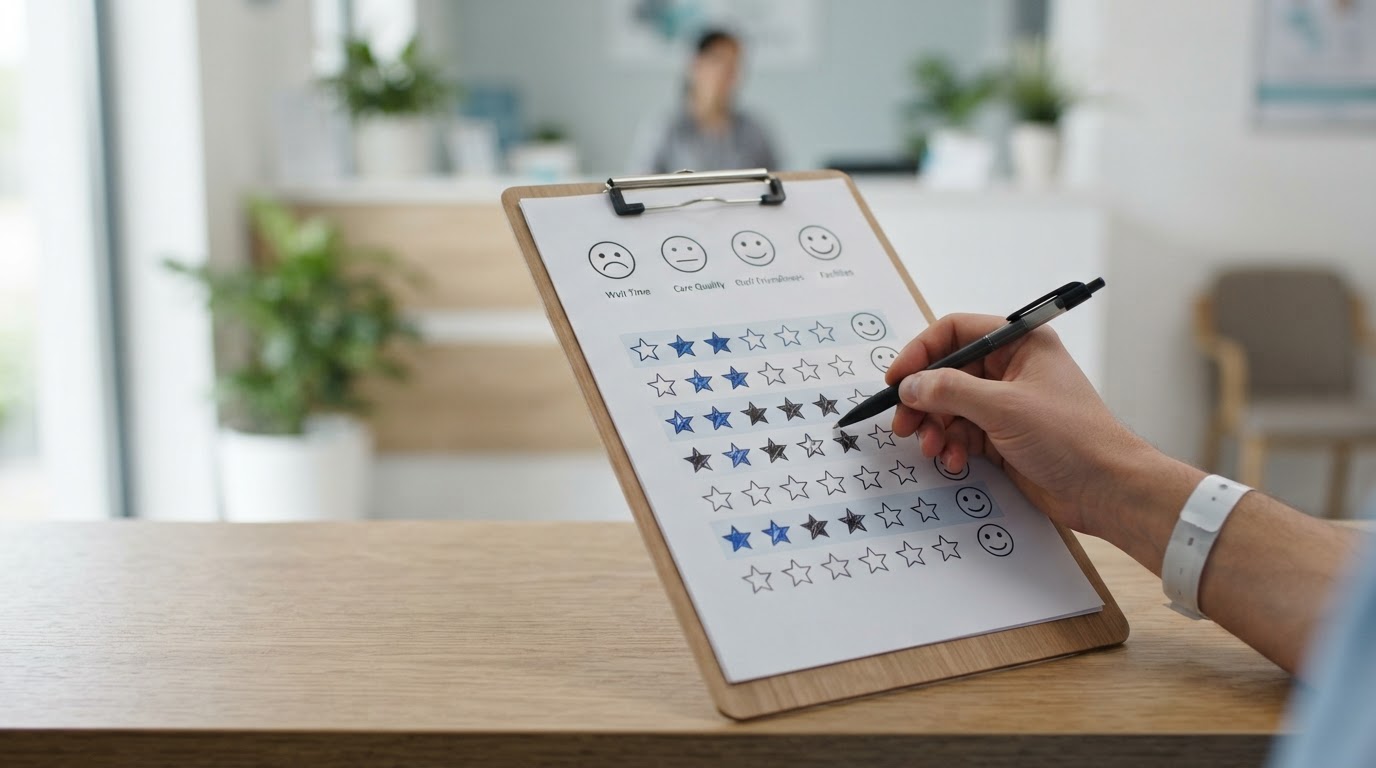
Patient Satisfaction Surveys: Measuring and Improving Experience
Patient satisfaction surveys are a powerful tool for measuring and improving the patient experience. They reveal what patients value, what frustrates them, and where your practice can improve. Practices that survey and act on feedback consistently improve satisfaction, retention, and reputation. Surveys transform patient experience from assumption to data. Our medical marketing services include survey strategy.
Surveys serve multiple purposes: they measure satisfaction, identify improvement opportunities, capture testimonials, and demonstrate that you value patient feedback. Patients who see their feedback acted upon become more loyal. The American Medical Association (ama-assn.org) emphasizes patient experience as a component of quality care. The Agency for Healthcare Research and Quality (ahrq.gov) provides patient survey resources.
Key patient satisfaction survey strategies for medical practices:
1. Timing: Send surveys at the right time—shortly after a visit, while the experience is fresh. Post-visit surveys capture accurate feedback. Timing affects response rate and accuracy. See our patient onboarding guide.
2. Keep It Short: Keep surveys short—5-10 questions. Long surveys reduce response rates. Focus on key questions that reveal actionable insights. Respect patients' time. See our interactive medical forms guide.
3. Mix Question Types: Use a mix of question types—rating scales, multiple choice, and open-ended. Rating scales provide quantitative data; open-ended questions provide qualitative insights. Both are valuable. See our medical practice analytics guide.
4. Ask About Key Touchpoints: Ask about key touchpoints—scheduling, wait time, staff friendliness, provider communication, facility cleanliness, and overall satisfaction. Key touchpoints reveal the complete patient experience. See our patient journey mapping guide.
5. Include Net Promoter Score: Include a Net Promoter Score (NPS) question—'How likely are you to recommend us?' NPS is a standard satisfaction metric that tracks loyalty over time. See our medical practice analytics guide.
6. Capture Testimonials: Use surveys to identify satisfied patients who may provide testimonials or reviews. Ask satisfied patients for permission to share their feedback. See our patient reviews guide.
7. Make It Easy: Make surveys easy to complete—mobile-friendly, minimal required fields, and a clear call to action. Friction reduces response rates. See our interactive medical forms guide.
8. Offer Incentives (Carefully): Some practices offer small incentives for survey completion. Be careful—incentives can bias responses. If you offer incentives, keep them small and ethical. See our patient reviews guide.
9. HIPAA Compliance: Ensure surveys are HIPAA-compliant. Do not collect PHI in surveys without proper safeguards. Keep surveys general when possible. The HHS HIPAA guidance (hhs.gov/hipaa) defines requirements. See our medical website security guide.
10. Analyze Results: Analyze survey results quantitatively and qualitatively. Identify trends, strengths, and improvement areas. Data reveals insights assumptions miss. See our medical practice analytics guide.
11. Act on Feedback: Acting on feedback is more important than collecting it. Share results with your team, identify improvements, and implement changes. Patients who see feedback acted upon become more loyal. See our patient retention guide.
12. Close the Loop: Follow up with patients who provide feedback, especially those with concerns. Closing the loop shows you care and can turn a dissatisfied patient into a loyal one. See our patient retention guide.
13. Track Over Time: Track satisfaction metrics over time. Trends reveal whether improvements are working. Regular surveying maintains a pulse on patient experience. See our medical practice analytics guide.
14. Benchmark: Benchmark your satisfaction against industry standards and your own history. Benchmarks provide context for your results. The Agency for Healthcare Research and Quality (ahrq.gov) provides benchmarks. See our medical practice analytics guide.
Patient satisfaction surveys transform patient experience from assumption to data. Practices that survey, analyze, and act on feedback consistently improve satisfaction, retention, and reputation. Explore our medical marketing services, browse our portfolio, or request a free consultation to build your survey strategy.
Frequently Asked Questions
Explore our services
Learn how we help medical practices grow with Medical Marketing for Practices.