Healthcare Social Media Marketing: A Guide for Medical Practices
Social media is no longer optional for medical practices. Patients research healthcare providers on social platforms, and a strong social presence builds awareness, educates, and keeps your practice top-of-mind between visits. While social media may not drive immediate appointments like search, it builds the trust and familiarity that convert patients when they are ready to book. Our social media marketing for medical practices service manages compliant, effective campaigns.
Healthcare social media faces unique challenges. HIPAA compliance is paramount—never share patient information without consent. Professionalism must be maintained across all posts. Regulations govern what medical practices can claim. Yet within these constraints, social media offers powerful opportunities to educate, engage, and grow. The American Medical Association (ama-assn.org) provides guidance on professional social media conduct.
Key strategies for healthcare social media marketing include:
1. Choose the Right Platforms: Not every platform suits every practice. Facebook reaches a broad demographic and is ideal for community practices. Instagram skews younger and is visual—great for cosmetic and aesthetic practices. LinkedIn connects with referring professionals. Focus on the platforms where your patients are. Our social media service identifies the right platforms for your practice.
2. Educational Content: Educate patients through your social content. Share health tips, condition explanations, procedure overviews, and preventive care advice. Educational content positions your practice as an authority and provides value that patients appreciate. The CDC (cdc.gov) and NIH (nih.gov) provide shareable health information. See our patient education materials guide.
3. Practice and Provider Spotlights: Humanize your practice by featuring your providers and staff. Provider introductions, behind-the-scenes glimpses, and team highlights build connection and trust. Patients choose providers they feel they know. Professional photography of your team and facility enhances these posts. Our medical graphic design services create professional visuals.
4. Patient Testimonials (With Consent): With explicit written consent, share patient stories and testimonials. Real patient experiences resonate more than marketing copy. Always obtain consent before sharing any patient information. Testimonials provide powerful social proof. Our reputation management service helps collect patient stories.
5. Consistent Posting: Consistency builds engagement. Post regularly—several times per week—rather than sporadically. A content calendar ensures consistent, planned posting. Inconsistent posting loses followers and engagement. Our social media service maintains consistent posting schedules.
6. HIPAA Compliance: Never share patient information without explicit consent. Do not post photos of patients, their charts, or identifiable details. Be cautious even with general posts—avoid anything that could identify a patient. The Health and Human Services HIPAA guidance (hhs.gov/hipaa) defines compliance requirements. When in doubt, do not post.
7. Professional Tone: Maintain professionalism in all posts. Avoid controversial topics, political statements, or unprofessional humor. Your social media reflects your practice. The American Medical Association (ama-assn.org) provides guidance on professional online conduct. Professionalism builds trust; unprofessional posts erode it.
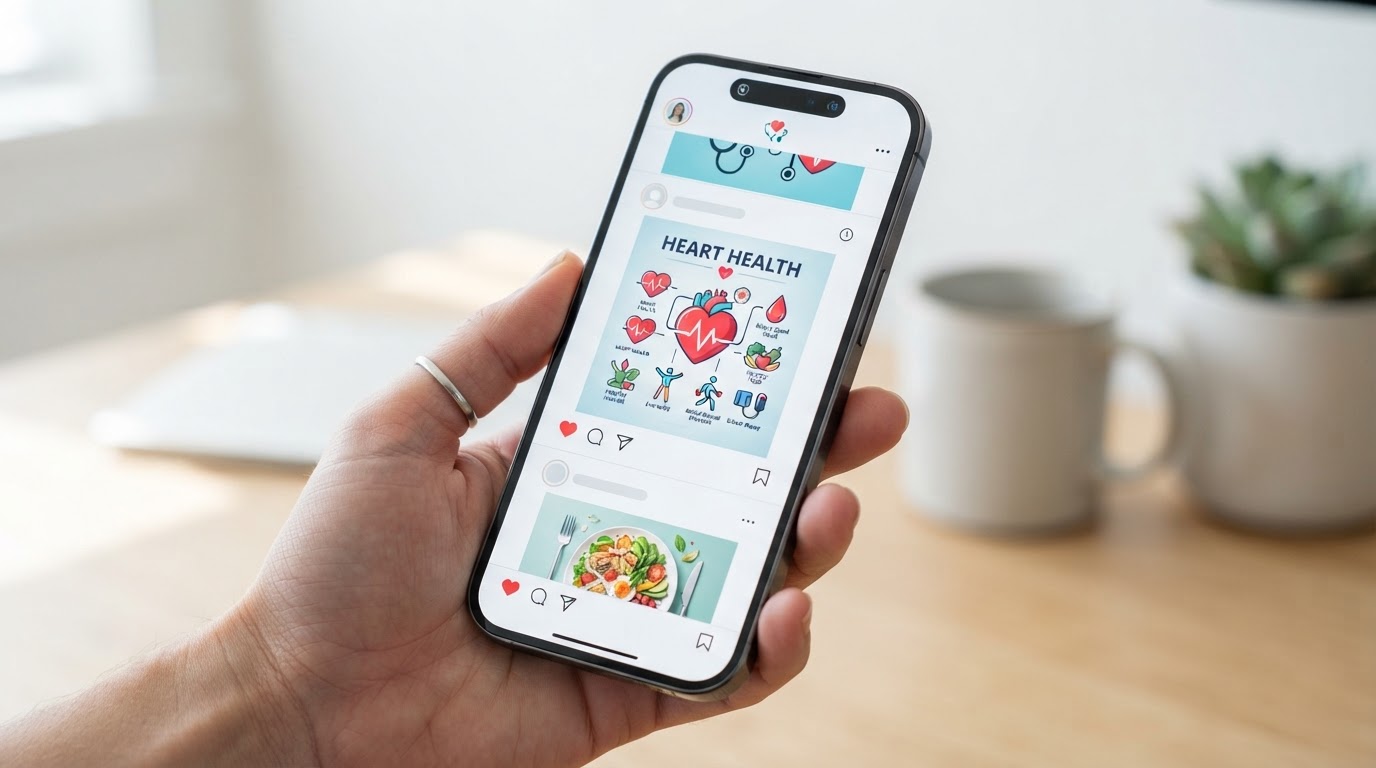
8. Visual Content: Visual content—images and videos—performs far better than text alone on social media. Use professional photos, infographics, and short videos. Our medical graphic design and explainer video services create social media visuals. Quality visuals stop the scroll and drive engagement.
9. Engage With Your Audience: Social media is a conversation. Respond to comments and messages promptly and professionally. Engage with your community. Two-way engagement builds relationships and loyalty. Ignoring comments and messages signals a practice that does not care.
10. Paid Social Advertising: Organic reach is limited. Paid social advertising—Meta Ads—extends your reach to targeted audiences. Target by location, demographics, and interests. Paid ads capture patients not yet searching. Our Meta Ads for medical practices service manages compliant campaigns.
11. Compliance with Advertising Policies: Social platforms restrict certain healthcare advertising. Ensure all content and ads comply with platform policies. Meta's advertising policies (transparency.fb.com/policies) govern healthcare advertising. Non-compliance can result in content removal or account restrictions. Review policies carefully.
12. Track and Optimize: Measure engagement, reach, follower growth, and—most importantly—appointments generated. Use platform analytics to understand what content resonates. A/B test content types and posting times. Data-driven social media outperforms guesswork. Practices that optimize based on data consistently grow their social presence.
Healthcare social media marketing builds awareness, educates, and keeps your practice top-of-mind. When done compliantly and consistently, it complements your search and referral marketing to create a comprehensive patient acquisition system. Explore our social media marketing for medical practices service, browse our portfolio, or request a free consultation to build your social media strategy.
Frequently Asked Questions
Explore our services
Learn how we help medical practices grow with Meta Ads for Medical Practices.