AI in Healthcare Marketing: How Practices Can Benefit
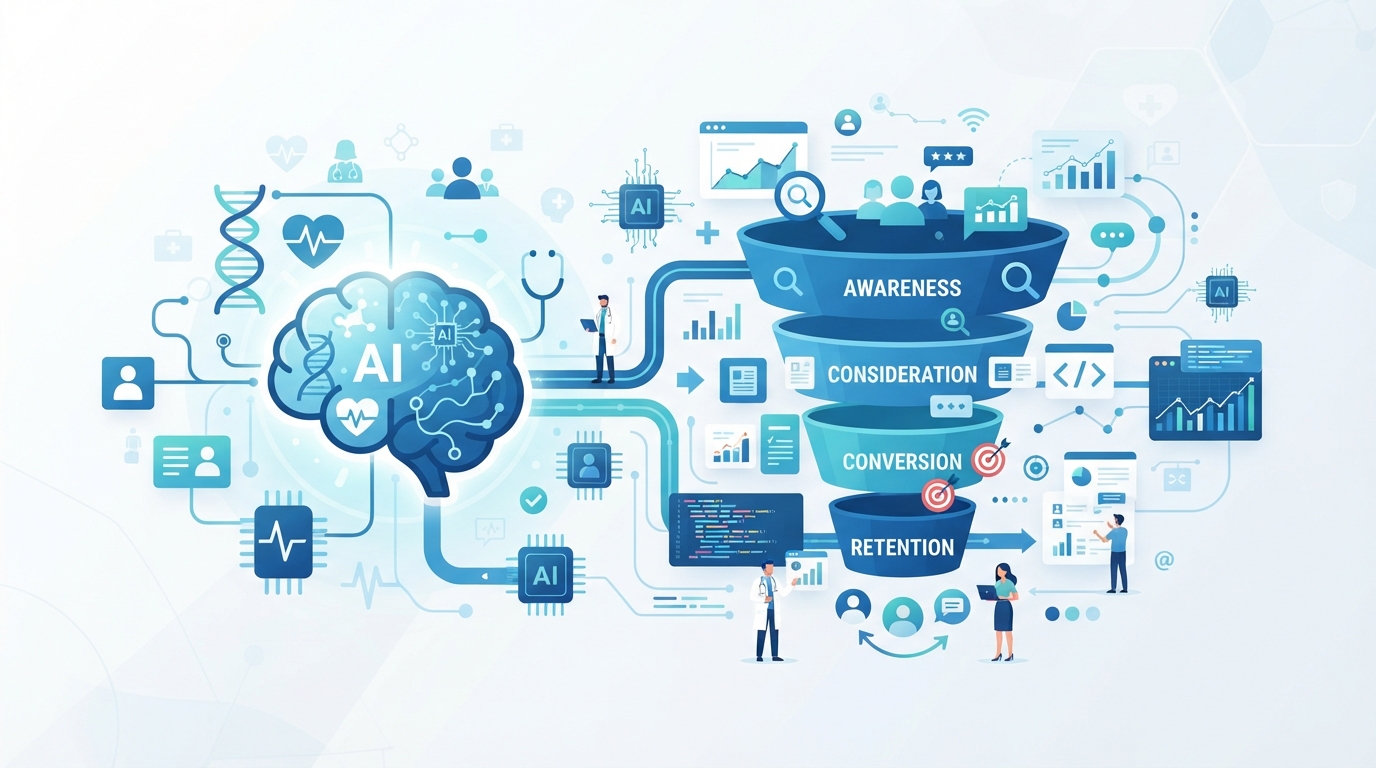
Artificial intelligence is transforming healthcare marketing. From AI chatbots that engage patients 24/7 to AI-assisted content creation to AI-optimized advertising, practices that leverage AI improve efficiency, patient experience, and marketing ROI. AI is not replacing healthcare marketers—it's augmenting them, handling routine tasks and providing insights that humans alone cannot. Practices that embrace AI gain a competitive advantage; those that ignore it risk falling behind. The U.S. Food and Drug Administration (fda.gov) provides guidance on digital health technologies, and our AI chatbot and AI receptionist services implement compliant AI solutions.
AI in healthcare marketing must balance innovation with compliance and ethics. Any AI handling patient data must be HIPAA-compliant, and AI-generated content must be accurate and reviewed by clinical experts. When used responsibly, AI dramatically improves marketing efficiency and effectiveness. Our medical marketing services help practices implement AI strategically.
Key applications of AI in healthcare marketing include:
1. AI Chatbots and Virtual Assistants: AI chatbots engage patients 24/7, answering questions, scheduling appointments, and qualifying leads. They capture inquiries after hours and handle routine questions, freeing staff for in-person care. See our AI chatbots guide and AI chatbot services. The U.S. Department of Health and Human Services (hhs.gov/hipaa) provides AI and healthcare guidance.
2. AI Receptionists: AI receptionists handle patient phone calls, schedule appointments, answer FAQs, and manage routine inquiries—24/7. They capture missed calls and reduce front desk burden. For practices struggling with missed calls and overburdened staff, an AI receptionist is transformative. See our AI receptionist services.
3. AI-Assisted Content Creation: AI can assist with content creation—generating drafts, suggesting topics, and optimizing for SEO. However, medical content must be reviewed by clinical experts for accuracy. AI accelerates content production while humans ensure quality and compliance. See our content marketing guide. The National Institutes of Health (nih.gov) provides health content standards.
4. AI-Optimized Advertising: AI optimizes digital advertising—automated bidding, audience targeting, and ad creative testing. Google's Smart Bidding and Meta's Advantage campaigns use AI to improve performance. AI-optimized ads deliver better results at lower cost than manual management. Our Google Ads and Meta Ads services leverage AI optimization.
5. AI-Powered SEO: AI tools analyze search patterns, identify content opportunities, and optimize on-page SEO. AI can help identify keywords, suggest content topics, and optimize meta tags. However, AI-generated SEO content must be reviewed for accuracy and quality. See our SEO for medical practices service. Google's Search Central (developers.google.com/search/docs) provides SEO guidance.
6. AI for Search Generative Experience: Google's AI-powered search results (AI Overviews) are changing how patients find healthcare information. Practices must optimize content for AI-generated answers by providing clear, well-structured, authoritative content that directly answers patient questions. This favors practices with strong expertise. Our SEO services optimize for AI search.
7. Patient Communication Automation: AI automates patient communication—appointment reminders, recall messages, follow-ups, and educational content. Automated, personalized communication improves patient engagement and retention while reducing staff workload. See our email marketing guide. The Centers for Medicare and Medicaid Services (cms.gov) provides communication standards.
8. AI Analytics and Insights: AI analyzes marketing data to reveal patterns, predict patient behavior, and optimize campaigns. AI-powered analytics identify which channels, messages, and audiences perform best. Data-driven marketing powered by AI outperforms guesswork. Google Analytics 4 (analytics.google.com) uses AI-powered insights.
9. Personalization at Scale: AI enables personalization at scale—tailoring website experiences, email content, and ad targeting to individual patients. Personalized marketing is more effective than generic blasts. AI makes personalization practical for practices of any size. See our email marketing guide for personalization strategies.
10. AI for Reputation Management: AI monitors reviews across platforms, analyzes sentiment, and alerts you to issues. AI can suggest response drafts for reviews (which staff should review and personalize). AI-powered reputation management ensures you never miss a review and respond promptly. See our reputation management services.
11. HIPAA-Compliant AI: Not all AI tools are suitable for healthcare. Any AI handling patient data must be HIPAA-compliant with encrypted transmission, secure storage, and Business Associate Agreements. Never use consumer-grade AI tools for patient data. The Office for Civil Rights (hhs.gov/ocr) enforces HIPAA. Our AI services ensure compliant implementation.
12. Ethical AI Use: Use AI ethically—be transparent about AI use, ensure accuracy of AI-generated content, avoid bias, and maintain human oversight. AI should augment, not replace, human judgment in healthcare marketing. Patients trust practices that use technology responsibly. The American Medical Association (ama-assn.org) provides guidance on AI ethics in healthcare.
AI in healthcare marketing is a powerful tool for practices that use it strategically and responsibly. From chatbots to content to advertising, AI improves efficiency and effectiveness while humans ensure quality and compliance. Explore our AI chatbot, AI receptionist, and medical marketing services, browse our portfolio, or request a free consultation to implement AI in your practice marketing.
Frequently Asked Questions
Explore our services
Learn how we help medical practices grow with Medical Marketing for Practices.