AI Chatbots for Medical Practices: 24/7 Patient Engagement
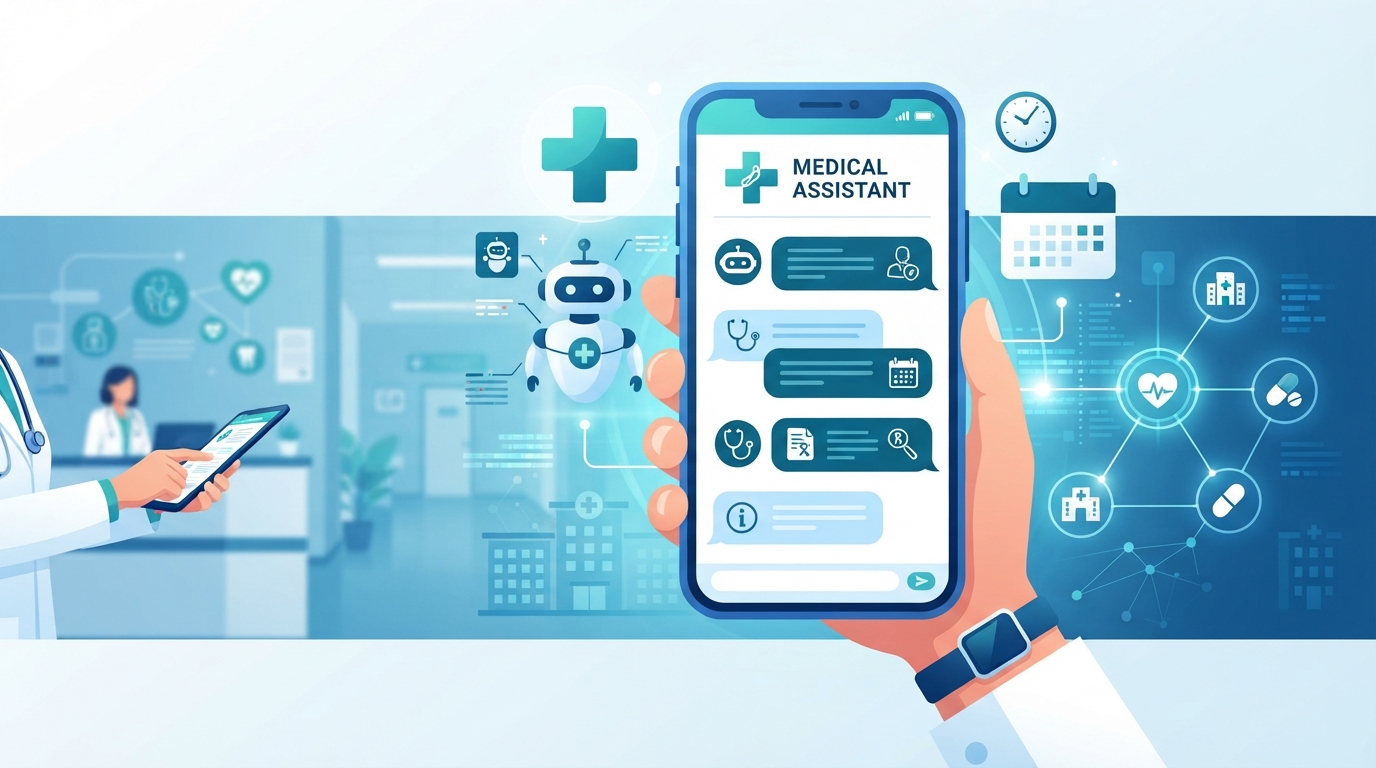
AI chatbots are transforming how medical practices engage with patients online. These intelligent assistants answer patient questions, schedule appointments, provide practice information, and qualify leads—24 hours a day, 7 days a week. For practices that want to capture every patient inquiry, even after hours, an AI chatbot is a powerful tool. Patients increasingly expect instant answers, and a chatbot meets that expectation while freeing staff for in-person patient care. Our AI chatbot services for medical practices implement compliant chatbot solutions.
AI chatbots serve multiple purposes: they capture and qualify leads, answer frequently asked questions, schedule appointments, provide practice information, and improve patient experience. Unlike a static website, a chatbot engages visitors in conversation, guiding them toward booking an appointment. For medical practices, chatbots must balance effectiveness with HIPAA compliance—ensuring no protected health information is mishandled. The U.S. Department of Health and Human Services (hhs.gov/hipaa) provides guidance on AI and healthcare.
Key capabilities and benefits of AI chatbots for medical practices include:
1. 24/7 Availability: A chatbot is always available, capturing patient inquiries even when your office is closed. Patients researching procedures at 10 PM can get answers and schedule consultations immediately. This captures patients who would otherwise wait until morning—and possibly choose a competitor who responds faster. Our AI chatbot services implement 24/7 engagement.
2. FAQ Automation: Many patient questions are repetitive—'What are your hours?', 'Do you accept my insurance?', 'Do I need a referral?' A chatbot answers these instantly, reducing phone volume and freeing staff for complex inquiries. Train the chatbot on your practice-specific information for accurate, practice-specific answers. See our interactive medical forms service.
3. Appointment Scheduling: Chatbots can integrate with your scheduling system to check availability and book appointments directly. Patients can schedule without calling or navigating a website form. Frictionless scheduling increases conversion. Our AI chatbot services support scheduling integration.
4. Lead Qualification: A chatbot can qualify leads by asking about the patient's needs, insurance, and timing before routing to staff or scheduling. This ensures staff follow up with qualified, ready-to-book patients rather than tire-kickers. Lead qualification improves staff efficiency and conversion rates.
5. Procedure and Service Information: Train your chatbot to answer questions about the procedures and services you offer. 'Tell me about knee replacement' or 'What is Invisalign?' The chatbot provides information and guides patients toward scheduling a consultation. This educates patients and captures those researching procedures.
6. HIPAA-Compliant Implementation: Not all chatbots are suitable for healthcare. Any chatbot handling patient interactions must be deployed in a HIPAA-compliant environment with encrypted transmission, secure storage, and proper Business Associate Agreements. Never transmit protected health information through consumer-grade chatbots. The Office for Civil Rights (hhs.gov/ocr) enforces HIPAA. Our AI chatbot services ensure compliant implementation.
7. Multi-Language Support: For practices serving diverse communities, AI chatbots can converse in multiple languages—removing language barriers and expanding your addressable patient population. This demonstrates cultural competence and captures patients who prefer communicating in their native language. The National Standards for Culturally and Linguistically Appropriate Services (thinkculturalhealth.hhs.gov) guide healthcare organizations.
8. Seamless Human Handoff: For questions the chatbot can't answer or complex situations, it should seamlessly hand off to a human staff member with context. This ensures patients always get the help they need while the chatbot handles routine inquiries. A good handoff maintains a positive patient experience.
9. Analytics and Insights: Chatbot systems provide analytics on common questions, engagement rates, and conversion. This data reveals what patients want to know and where your website or processes have gaps. Use chatbot analytics to improve your website content, FAQ sections, and patient communication. Data-driven improvement outperforms guesswork.
10. Cost Efficiency: An AI chatbot costs a fraction of additional staff while handling inquiries that would otherwise require human time. For practices that want to improve responsiveness without adding staff, a chatbot delivers immediate ROI. The system scales effortlessly—handling 10 or 1,000 inquiries without additional cost.
11. Patient Experience: Patients increasingly expect self-service options and instant responses. A chatbot meets this expectation while ensuring complex needs are escalated to human staff. The result is shorter wait times, fewer missed inquiries, and higher patient satisfaction. A good chatbot enhances, rather than replaces, human interaction.
12. Integration with Practice Systems: Modern AI chatbots integrate with your EHR, practice management system, and patient communication platform. Appointment data flows directly into your scheduling system. Patient information is captured and stored securely. No double data entry, no lost messages. The Centers for Medicare and Medicaid Services (cms.gov) provides standards for electronic data interchange.
AI chatbots do not replace your staff—they augment them. By handling routine inquiries and capturing leads 24/7, chatbots let your team focus on in-person patient care and complex administrative tasks. Explore our AI chatbot services for medical practices and AI receptionist services, or request a free consultation to see how AI can transform your patient engagement.
Frequently Asked Questions
Explore our services
Learn how we help medical practices grow with AI Chatbots for Medical Practices.